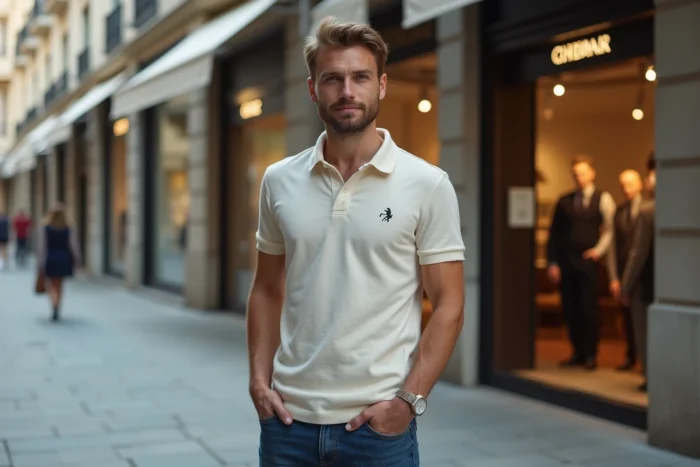
When thinking of high-end polo shirts, the green crocodile almost automatically comes to mind. Lacoste holds a unique place in the landscape of premium French sportswear. But the playing field has changed: new brands are capturing the attention of buyers, and the codes of desirability no longer rely solely on historical heritage.
Drop culture and DTC: the competitive landscape that Lacoste did not choose
Have you ever noticed that a limited edition pair of sneakers sells out in minutes on Instagram? This phenomenon has a name: drop culture. Labels like Aimé Leon Dore or Palace operate on a simple principle. They launch micro-collections very frequently, in limited quantities, thus creating a sense of rarity.
This direct-to-consumer (DTC) model bypasses traditional distribution channels. No network of stores to finance, no massive inventory to manage. The result: preserved margins and a responsiveness that historical houses struggle to match.
For the 15-30 age group, desirability has shifted towards these hyper-digitalized players, capable of engaging a community on TikTok between launches. This presents a structural challenge for Lacoste, whose collection rhythm remains slower and whose distribution still largely relies on physical retail. To better understand this dynamic, Lacoste’s competitors according to Mlle E provide a useful overview of the forces at play.
Polo Ralph Lauren, Tommy Hilfiger, Fred Perry: what really differentiates each rival
The three names consistently come up when discussing direct competition with Lacoste. Their common point: a premium-casualwear positioning backed by a strong sports or cultural heritage. Their difference lies in the universe they project.
Polo Ralph Lauren and the American preppy imaginary
Ralph Lauren sells a lifestyle before selling a polo. The universe is rooted in Ivy League, the Hamptons, equestrian sports. The product serves as a passport to a highly codified aspirational narrative. The average price of the polo is significantly higher than that of Lacoste, positioning it a notch above in luxury perception.
Tommy Hilfiger and accessible volume
Tommy Hilfiger occupies a broader niche. The brand focuses on availability (outlets, aggressive e-commerce, presence in department stores) and a lower entry price. Its image remains premium, but the volume strategy sometimes brings it closer to the mass market. It is a formidable competitor in the 20-35 urban segment, sensitive to the style-price ratio.
Fred Perry and the musical subculture
Fred Perry plays a card that neither Lacoste nor Ralph Lauren can claim: anchoring in British subcultures (mod, punk, northern soul). This cultural positioning creates a community loyalty that is difficult to replicate. The brand remains more niche in volume, but its customer base is particularly loyal.
Cultural collaborations: Lacoste’s strategic response since 2018
In the face of this pressure, Lacoste has not remained passive. Since 2018, and more emphatically from 2022, the brand has structured a collaboration policy that goes beyond one-off operations.
Partnerships with Minecraft, Netflix, or Polaroid aim for a specific objective: to occupy the cultural and gaming space that historical competitors exploit less. This choice is not trivial. It allows Lacoste to reach a younger audience without diluting its historical identity, as the crocodile remains the visual thread.
The rhythm of these collaborations has become a pillar of differentiation, not just a seasonal marketing stunt. The staging is omnichannel: retail, e-commerce, social media. Each collaboration generates native content that feeds the algorithms of the platforms, partially compensating for the structural lag against DTC brands in the digital arena.
Standing out against Lacoste’s competitors: three concrete levers
What should you take away if you want to understand how a brand like Lacoste can maintain its position against such diverse rivals?
- Mastering rarity without abandoning broad distribution: capsule editions create occasional desire, while permanent ranges ensure recurring revenue. The balance between the two is the real operational challenge.
- Investing in a unique cultural universe rather than copying streetwear codes: Lacoste draws its strength from its French sporting heritage (tennis, golf). Claiming this anchorage with modernity works better than mimicking skate or hip-hop culture.
- Accelerating the digital experience without sacrificing physical retail: stores remain a premium credibility asset. But the online experience must catch up with the level of immersion offered by DTC labels, especially on mobile.
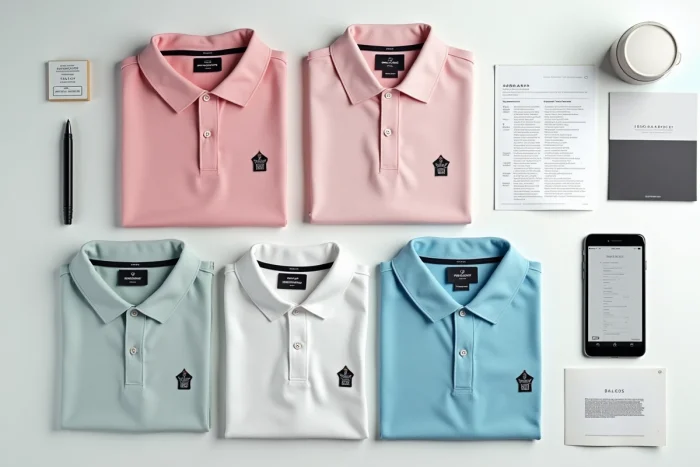
The premium sportswear market is no longer just a logo war. The battle is fought on the ability to tell a coherent story across all channels, from the Paris flagship to the TikTok feed. Lacoste has a rare asset: its global notoriety and recognizable crocodile.
Its competitors, whether historical or born on Instagram, give it no respite. The next strategic arbitration will likely focus on speed: that of launching collections, reacting to trends, and converting digital attention into real purchases.