The adventure travel market has restructured over the past two years around a clear pivot: co-creation with locals is gradually replacing the “excursion catalog” model. Activity booking platforms emphasize the direct compensation of local communities as a main argument, and specialized agencies are incorporating low-carbon criteria into their itineraries. This context is changing the very definition of an authentic adventure.
Immersive atypical accommodations as the foundation of adventure
We are seeing a clear shift: accommodation is no longer a logistical accessory but the core of the experience. Isolated eco-lodges, nomadic tents, yurts, and cabins are now designed as the heart of the adventure travel, not as a picturesque addition.
This positioning changes the logic of itinerary construction. Instead of choosing a destination and then looking for a place to stay, the traveler selects a type of immersion (pastoral life, primary forest, desert) and the accommodation dictates the pace, activities, and possible encounters around them.
The most developed so-called “unusual” offers share three characteristics: a geographical anchoring that makes the location impossible to duplicate elsewhere, management by local actors, and a deliberately limited capacity. Those wishing to explore this type of stay can discover the Perles de Voyages website to identify concrete options by destination and style of immersion.
Co-created adventures with locals: what distinguishes the real from the marketing
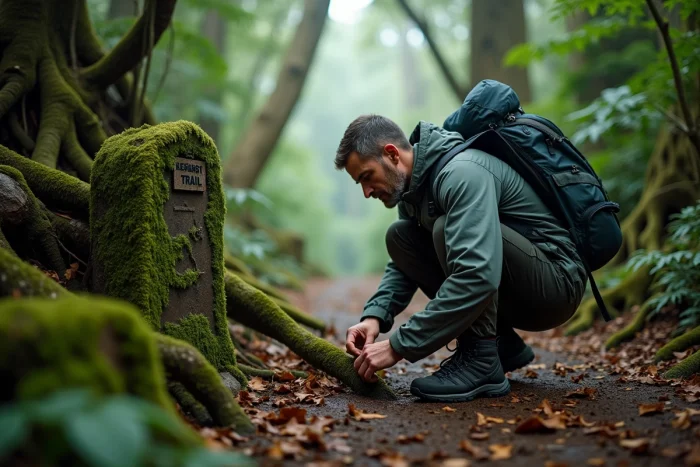
Since 2024-2025, the rise of experiences co-created with local communities has been documented on most activity booking platforms. Craft workshops, sea outings with fishermen, hikes accompanied by community guides: the offer is rapidly expanding.
The difficulty lies in the sorting. Three criteria allow us to distinguish a truly co-constructed experience from mere commercial dressing:
- Compensation is direct and transparent: the local provider sets the price, with no opaque intermediary between the traveler and the host community.
- The program varies according to the season or real conditions (tide, harvest, weather), indicating that the activity is not scripted for tourists.
- The group remains small, often limited to a handful of participants, to preserve the quality of the exchange and the balance of the place.
A pottery workshop in a Moroccan village where the potter actually works for his local clientele is nothing like a “tourist pottery class” organized in a riad. Authenticity lies in the real economy of the place, not in the decor.
Family adventure travel: itineraries by age group
Family adventure travel is finally breaking away from the cliché of safaris for adults with strollers. A recent trend is pushing agencies to create itineraries designed by age group, where the pace, safety, and type of immersive activities are tailored for children.
Specifically, a family trek with children under eight does not simply shorten the stages. It incorporates gentle immersive activities (animal observation, foraging, games with local children) that maintain attention without exhausting. For teenagers, the formats change: kayaking, camping, participating in the tasks of a nomadic camp.
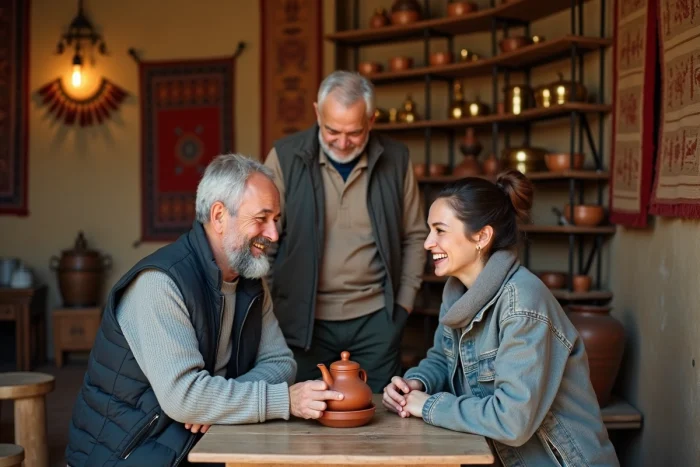
This segmentation opens authentic adventure to profiles that have long been excluded. Safari, easy trek, or cultural immersion are no longer reserved for sporty backpackers. Families have access to experiences comparable in emotional intensity, simply adapted in duration and physical demand.
Low-carbon travel and adventure: sobriety as a creative constraint
More and more specialized agencies are using the responsible dimension as a central marketing argument for trips described as “unforgettable but more sober.” Limiting internal flights, preferring trains, and choosing committed accommodations are no longer marginal options.
This constraint produces an unexpected effect on the quality of the adventure. Reducing internal air travel forces a slowdown, allowing travelers to traverse intermediate territories that the typical traveler overlooks. Low-carbon itineraries favor transitional landscapes (foothills, river valleys, secondary coasts) where tourist density remains low.
We recommend considering carbon sobriety not as a restriction, but as a selection filter. A trip organized around rail or maritime cabotage in a given country reveals portions of territory, villages, and encounters that internal flights erase. The slowness of travel becomes a component of the adventure itself.
- Favor countries with a dense rail or river network: this transforms the journey into an experience in its own right.
- Look for accommodations whose environmental commitment translates into visible choices (energy, local sourcing, water management) rather than a self-awarded label.
- Be willing to visit fewer sites to better inhabit each stage, which mechanically increases the depth of local encounters.
Authentic adventure travel in 2025 is no longer defined by the distance traveled or the spectacular nature of the destination. It is measured by the quality of the connection created with a place, its inhabitants, and its local economy. Fewer kilometers, more relational density: this is the only filter that withstands the inflation of “authentic” offers in the market.